An essay in five movements

What is art?

Call It Art

A philosopher, a painter, and a child with a crayon have all answered this question differently — and each was right. This essay walks through four centuries of answers, then hands the pen to you.

Est. forever ago
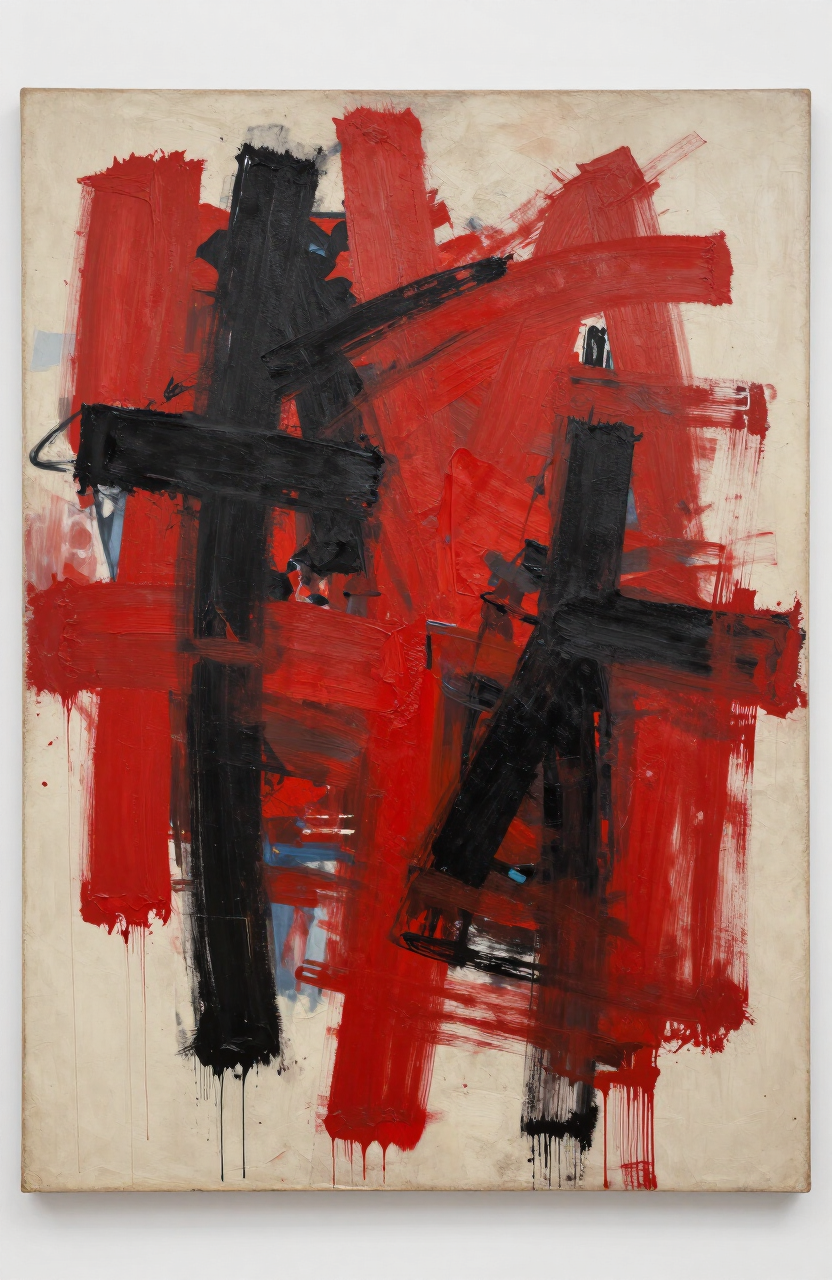
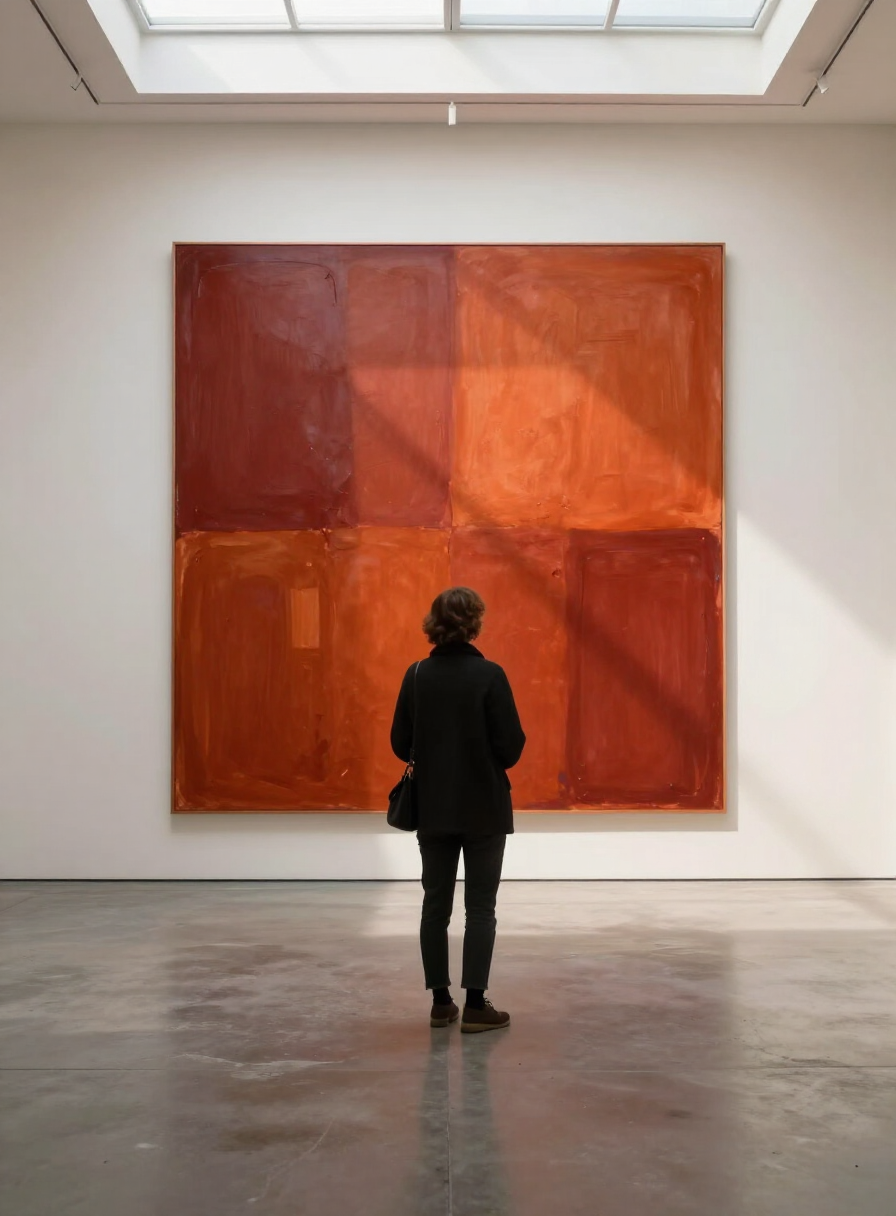
A visitor standing before a towering vermilion abstract canvas in a sunlit gallery
Installation view — the question, hanging quietly.

I. Definitions

Four centuries, five answers.

Every era drafts its own definition, and every definition is really a portrait of the era that wrote it. None of them cancel each other out — they accumulate.

  1. 1897

    Leo Tolstoy

    Art as contagion

    Art is a human activity in which one person consciously… hands on to others feelings he has lived through, and others are infected by these feelings.

    In plain terms — Art transmits feeling from one heart to another. The measure of a work is whether you catch it.

  2. 1914

    Clive Bell

    Art as significant form

    Lines and colours combined in a particular way… stir our aesthetic emotions.

    In plain terms — Forget the subject. Art lives in the arrangement — shape, colour, rhythm — and in what that arrangement does to you.

  3. 1917

    Marcel Duchamp

    Art as decision

    A urinal, signed “R. Mutt” and titled Fountain, submitted to an exhibition that claimed it would accept everything.

    In plain terms — Art is a choice, not a craft. The idea outranks the object — context can turn even plumbing into art.

  4. 1934

    John Dewey

    Art as experience

    The actual work of art is what the product does with and in experience.

    In plain terms — A painting locked in a vault is only pigment on cloth. Art completes itself in the encounter — in you.

  5. 1964

    Arthur Danto

    Art as artworld

    To see something as art requires something the eye cannot descry — an atmosphere of artistic theory, a knowledge of the history of art: an artworld.

    In plain terms — Art is whatever the conversation of artists, critics, and institutions can meaningfully argue about.

II. Lenses

Four ways of looking.

Instead of one definition, try four lenses. Each one brings a different kind of art into focus — and blurs something else.

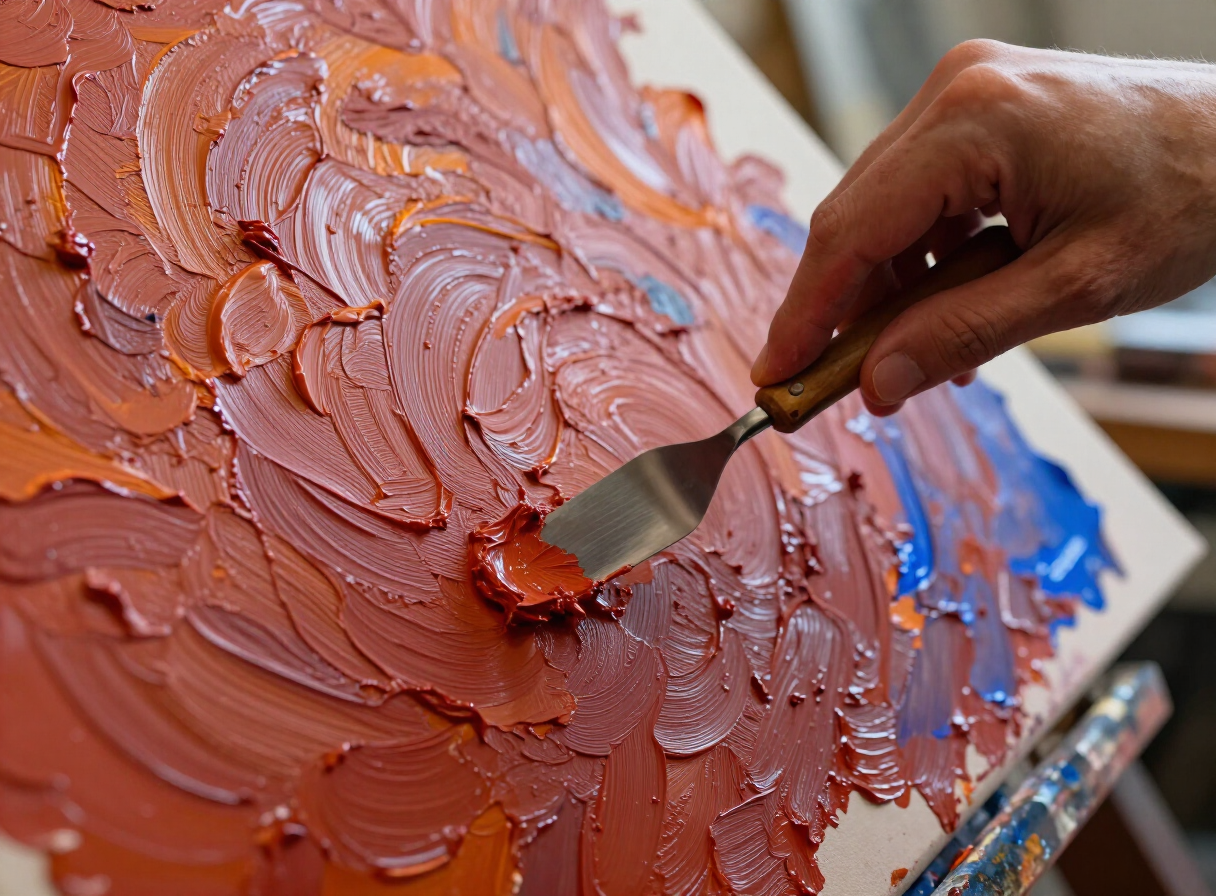
An artist's paint-stained hands dragging a palette knife through thick oil paint
Impasto study, a studio in Florence.

01

Art as expression

The inner made outer.

Before art is anything else, it is a pressure that demands release. Grief, joy, rage, tenderness — the artist pushes the inner world into outer form, and we recognise our own weather in it.

Ask yourself: What is this work trying to say that words cannot?
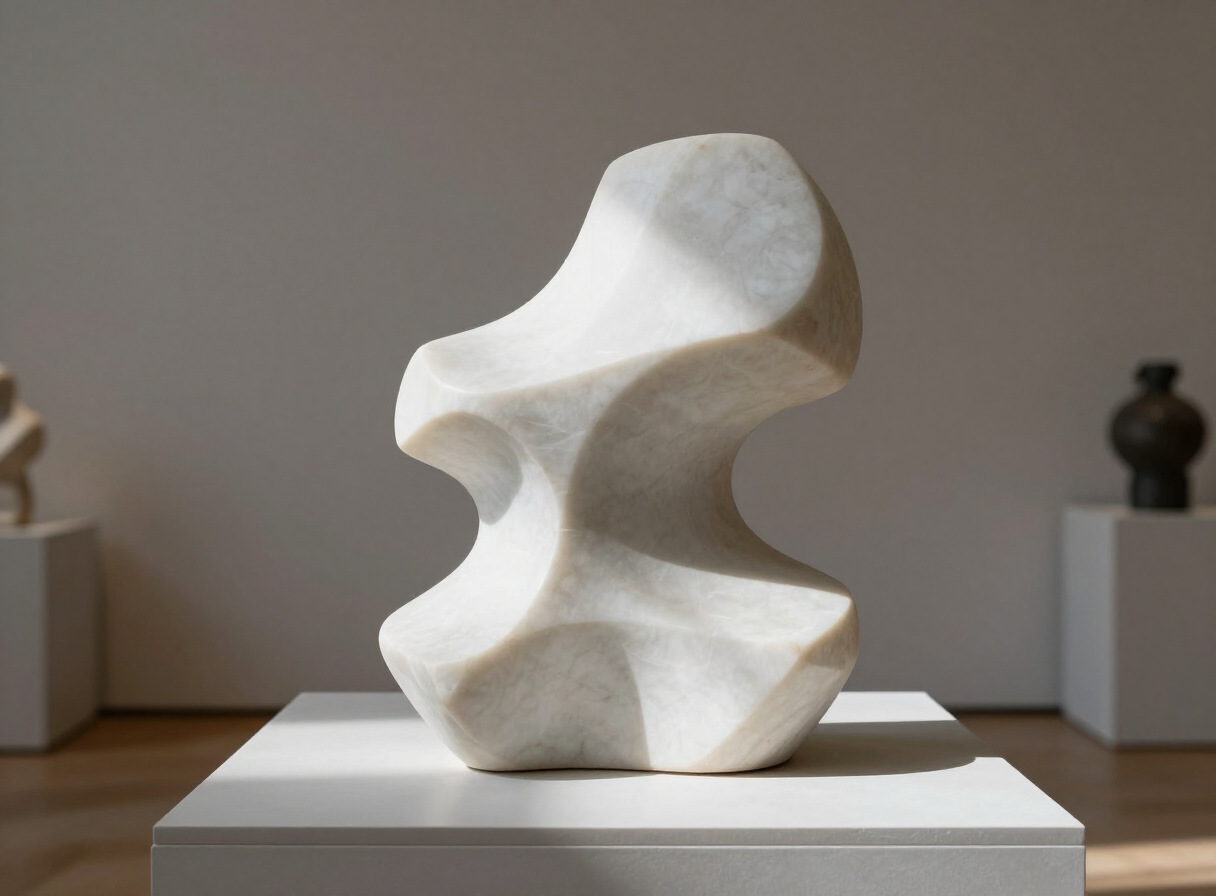
A smooth white marble abstract sculpture lit by a shaft of daylight
Marble, daylight, and nothing else.

02

Art as form

The pleasure of order.

A sonnet’s rhyme, a building’s proportions, the negative space in a photograph — form is the quiet mathematics of beauty. Sometimes art needs no message at all; the arrangement is the meaning.

Ask yourself: Where does your eye want to rest — and where does it refuse to?

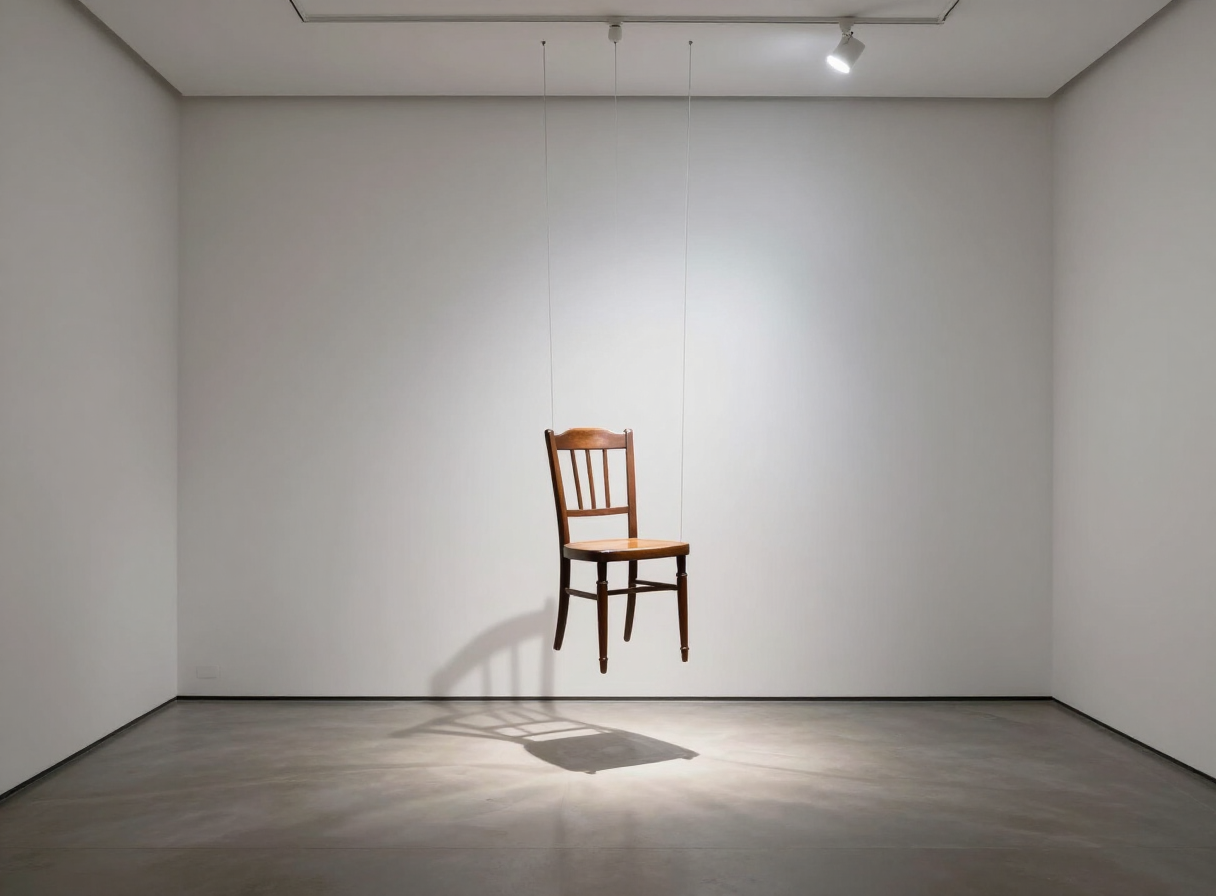
A vintage wooden chair suspended from a gallery ceiling by thin wires
A chair, reconsidered.

03

Art as idea

The question outranks the answer.

Since Duchamp, an artwork can be a proposition: what if this chair hung from the ceiling? What if the museum were empty? Conceptual art asks you to think, not just to look — and the thinking is the work.

Ask yourself: What rule is being broken here, and why does breaking it matter?

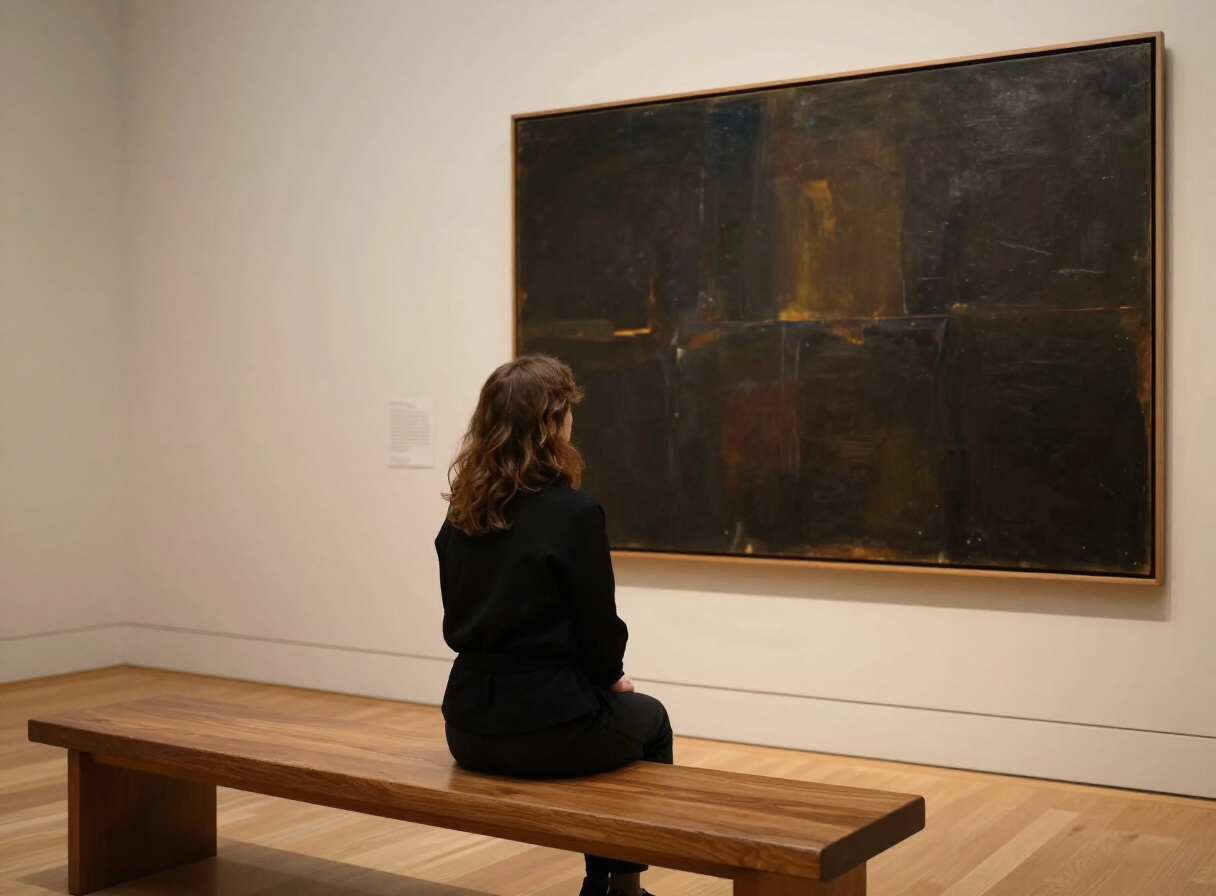
A woman on a bench leaning toward a huge dark abstract painting
The second half of the artwork.

04

Art as experience

It finishes itself in you.

No two people stand in front of the same painting. Your memories, your mood, your morning — all of it completes the work. Art is not a delivery; it is a collaboration between maker and witness.

Ask yourself: What changed in you while you looked?

III. Voices

Others have asked, too.

“Art is the lie that enables us to realise the truth.”

Pablo Picasso

“We have art in order not to die of the truth.”

Friedrich Nietzsche

“Art is not what you see, but what you make others see.”

Edgar Degas

“All art is quite useless.”

Oscar Wilde

He meant it as praise — useless the way a flower is useless, not the way a broken tool is.

“Everything is art. Everything is politics.”

Ai Weiwei

V. Why it matters

Art is not decoration for the serious business of life.

It is part of the serious business.

1

It rehearses empathy.

A novel, a song, a painting — each is a rehearsal for being someone else. Art lets you practice lives you will never live, and come back kinder.

2

It outlives its makers.

On the cave walls at Lascaux, painted hands reach across forty thousand years. Long after languages and empires dissolve, art keeps introducing the dead to the living.

3

It keeps the world unfinished.

Every artwork is evidence that the world is not done yet — that there is always another way to see, to say, to build. Art is the standing proof that reality has alternatives.

Your turn

Finish the sentence.

Art is __________

Choose an ending — the essay will meet you there.

There is no wrong answer here — which may be the closest thing to a definition we get.

A three-line manifesto

Name it and it becomes.

Refuse the name and it stays wild.

Call it art — and the calling is part of the work.

Call It Art

The essay ends. The question doesn’t. Carry it with you, and call things by their rightful name — even when no one agrees what that is.

↑ Return to the beginning